Situation 1 · What trafficking can look like
There are signs of human trafficking here: recruitment, movement, confiscation of documents, deception, restriction of freedom of movement, threats and forced labour.


Human trafficking is not just about kidnapping or being taken abroad. Sometimes it all starts with an ordinary message, a new acquaintance, a job, study or travel offer, or a quick way to earn money.
Recruitment can begin right where you feel safe: on social media, in messengers, in an online game or a team chat.
Learn to notice danger, check offers and know where to turn for help.
Looking for your first freelance job, a side job or easy money online? Criminal schemes have long changed their format and moved to Telegram, TikTok and phishing job offers, where modern recruiters hide behind the masks of “generous clients” and “friendly advisers”.
For European Anti-Trafficking Day on 18 October, Caritas Ukraine presents an animated video that reveals the real side of online offers and teaches you to spot red flags before a situation becomes dangerous.
Your generation’s key skill is digital literacy and knowing how to protect your boundaries. This video has no boring lectures or preaching. Through clear visual stories, it explains how manipulation involving AI, fake job ads and hidden exploitation works. It is a practical tool for protecting your rights that will help you stay in control of your life and prevent anyone from taking advantage of your trust.
Your awareness can save someone’s life. Watch the video, sharpen your digital vigilance and share it on Instagram, TikTok or in chats with friends. A safe digital environment and the fight against crime begin with a single repost.
Take care! Stay safe!
Seen a suspicious job offer or need advice? Call: 102 (police), 112 (emergency services), the state hotline for combating human trafficking and violence: 15-47, the hotline of the Ukrainian Parliament Commissioner for Human Rights: 16-78.
Seven realistic scenarios. Choose an answer and see the explanation.
Situation 1 / 7
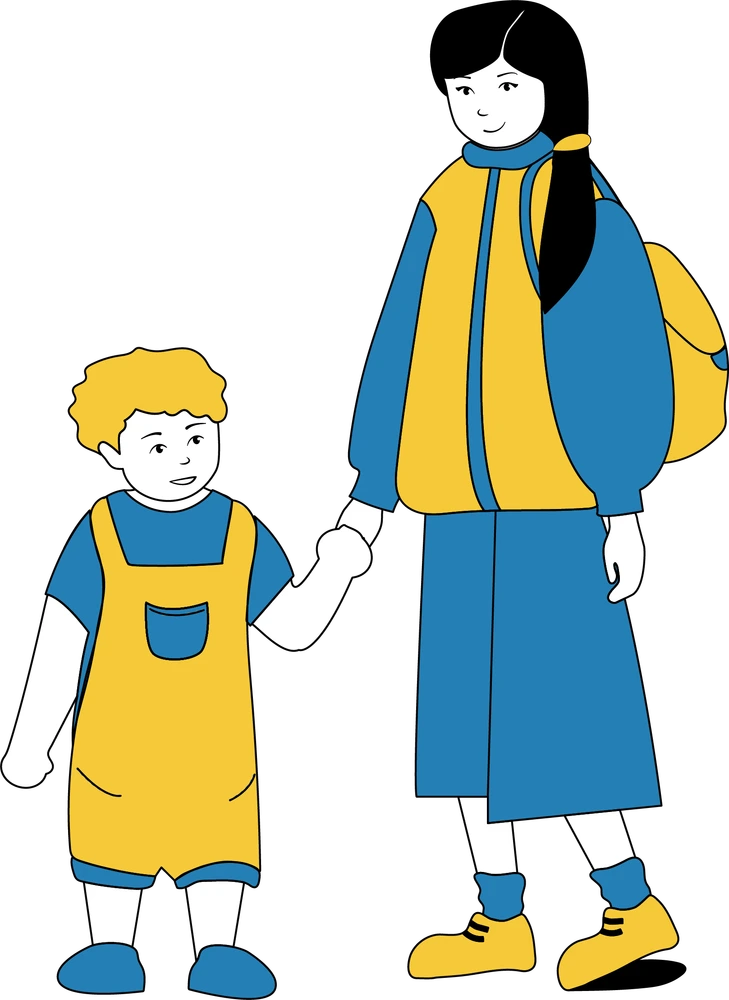
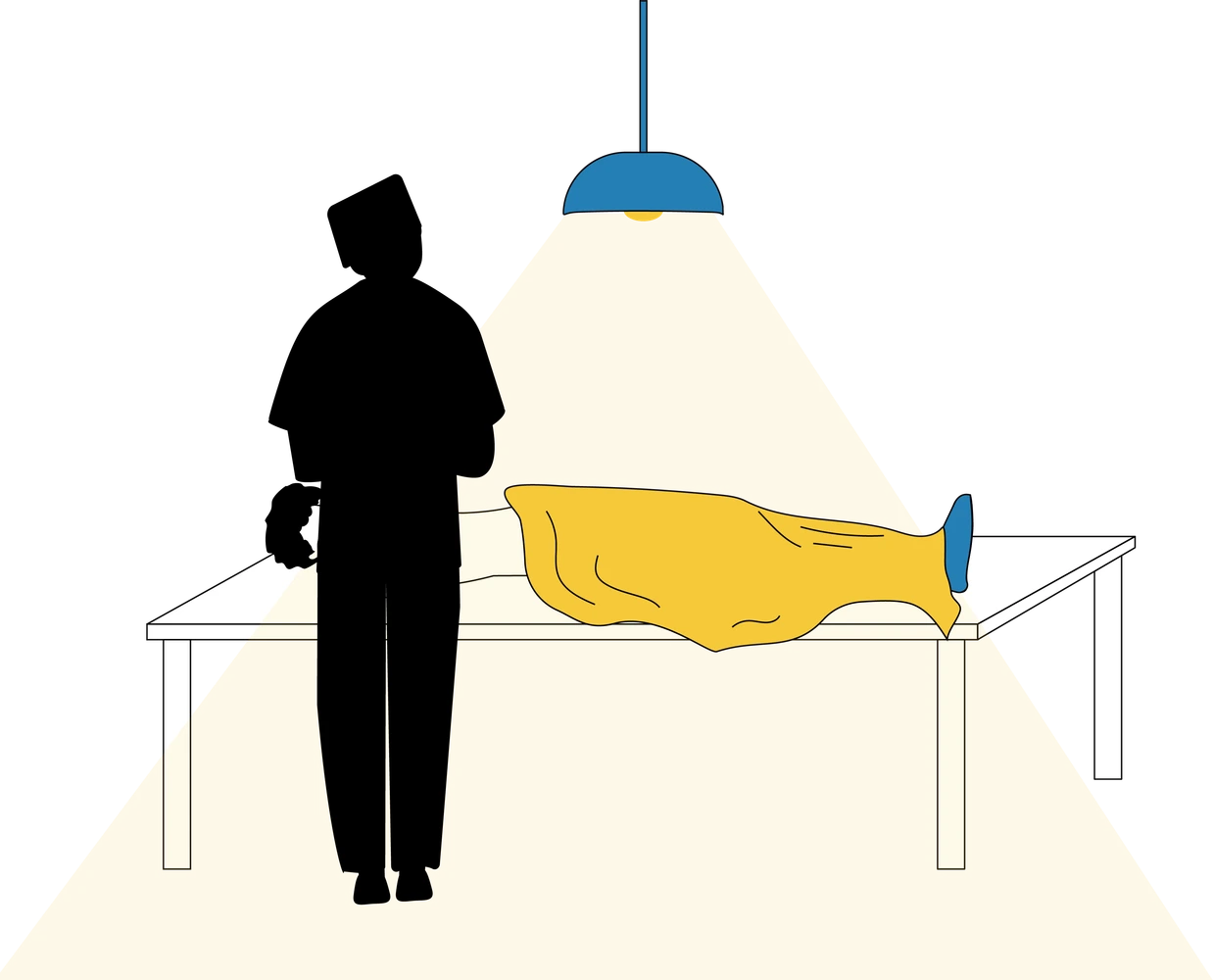
Andriy was offered a well-paid construction job abroad. After arrival, the employer took his passport, housed him in a closed dormitory and said Andriy first had to “work off the debt” for travel and accommodation. He is not paid and is threatened with the police if he tries to leave.
Is this situation OK?
Choose “OK” or “Not OK” to see the explanation. You can move on without answering and come back later.
There are signs of human trafficking here: recruitment, movement, confiscation of documents, deception, restriction of freedom of movement, threats and forced labour.
A passport may be shown to authorised officials, but it should not be handed over to an employer, intermediary or any other third party. Confiscating a document can be used for control and restriction of freedom.
Changing the route, hiding the address or vehicle details, or asking someone to turn off their phone are warning signs. First, verify the information and tell your loved ones the driver's and vehicle's details, the route and the destination.
Urgency, unrealistically favourable conditions, the absence of a contract, requests to keep the trip secret, and requests for revealing photos are all warning signs of potentially dangerous recruitment.
Depriving a person of the ability to communicate with loved ones independently or to seek help is a means of isolation and control.
Even partial payment does not cancel the coercion. Deception about conditions, threats, restricted movement and withholding of wages are signs of forced labour and possible human trafficking.
In Marko's case, labour rights were violated, but the circumstances described are not enough to call it human trafficking. In Ivan's case there is deceptive recruitment, movement, coercion and the purpose of exploitation - signs of human trafficking. At the same time, the final legal qualification is given by the competent authorities.
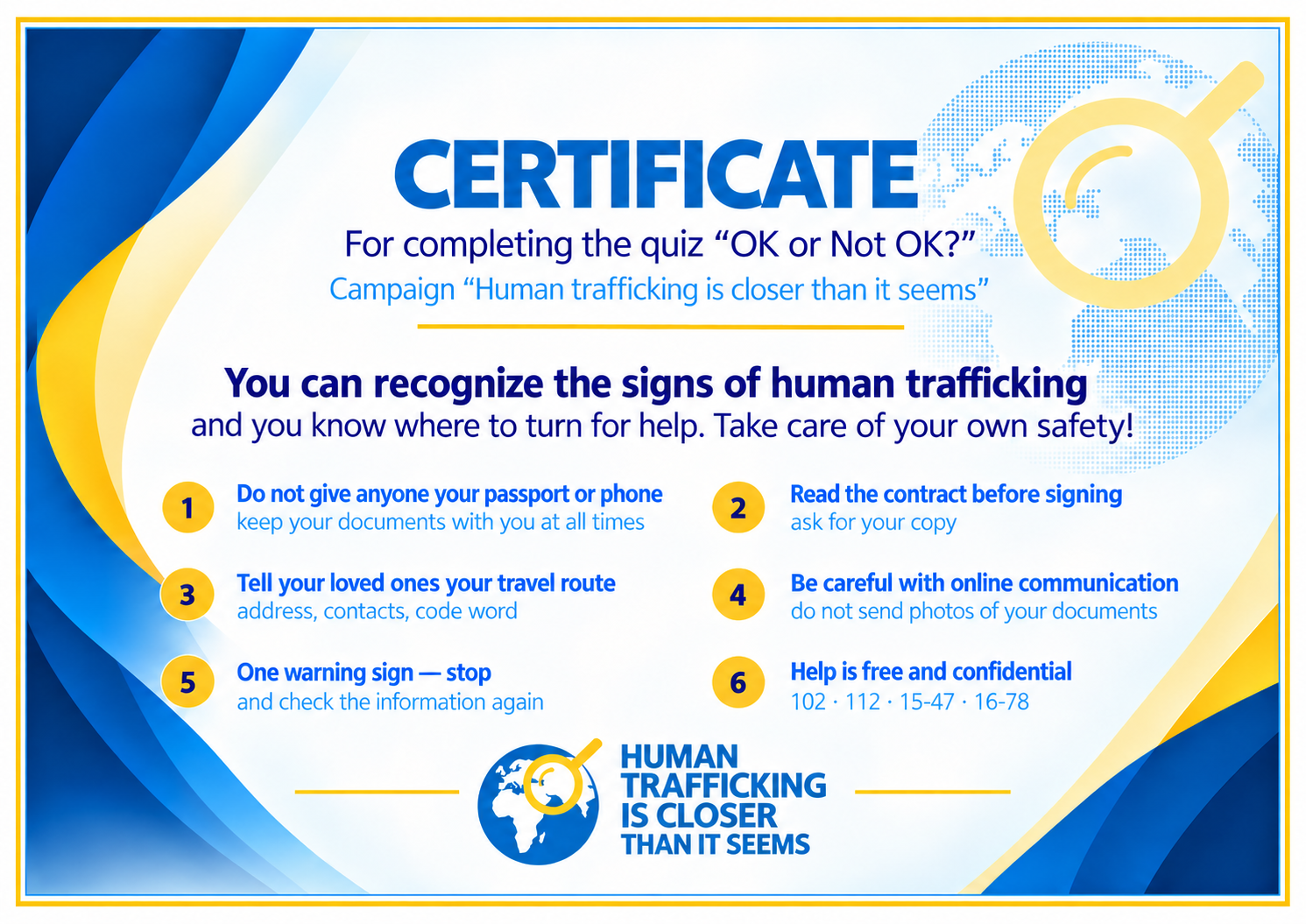
Answer all seven scenarios to receive your certificate.
Answers stay in this tab only. We do not send them anywhere.
Human trafficking can start with an ordinary job ad, a message on social media or an offer to help with relocation. These rules are useful both when looking for a job in Ukraine and before travelling abroad.
Find information about the employer or intermediary from independent sources. Learn the exact work address, duties, pay and living conditions. If you are rushed into a decision or details are hidden, stop and check everything again.
It must clearly state your duties, working hours, pay, days off and, where applicable, living conditions. Ask for your copy of the contract. Do not sign a document that has not been explained to you or that you do not understand.
Do not hand them over to an employer, intermediary or someone promising to “arrange everything”. If someone demands to keep your original passport, it is a serious danger signal.
Take photos of your passport, contract and other important documents. Store them in a secure place you can access even if you lose your phone.
Leave them the work and accommodation addresses, the employer's contacts and the details of the people you travel with. Agree when you will check in, and come up with a code word for the case of danger.
Check the route and transport. Beware of a sudden change of workplace or accommodation, especially when you are asked not to tell anyone.
Find out in advance which documents give the right to work, and save the contacts of the Ukrainian consulate and local help services.
Do not send strangers photos of your documents and do not rely solely on information from an ad or private messages. Also be mindful of publishing your location on social media.
You are not paid what was promised, forbidden to leave, your calls are controlled, you are threatened, a “debt” for travel or housing is imposed? Find a way to contact someone you trust or a support service. You do not need to determine yourself whether it is human trafficking to ask for support.
Contacts of Caritas Counter-Trafficking Centres: caritas.ua; 1547 - government counter-trafficking hotline; 102 - police, if there is immediate danger.
If a person has fallen into exploitation, the responsibility lies with those who used them. Help is available even if the person initially agreed to the job or the trip.
Human trafficking is a situation where a person is deceived, intimidated, controlled or forced to do something in order to profit from them. The person is turned into an object of purchase and sale and stripped of freedom.
It can happen to anyone: in a big city or a small village, in Ukraine or abroad. Recruitment happens both in person and online.
people every year are identified by Caritas Ukraine as victims of human trafficking and helped to return to a safe life
victims of human trafficking is a child or teenager
people received the official status of human trafficking victims in 2025 alone (according to the National Social Service of Ukraine)
people worldwide were officially identified as victims of human trafficking in 2025 (according to the U.S. Department of State)
Danger does not always look dangerous. At first, the offer may seem very attractive.
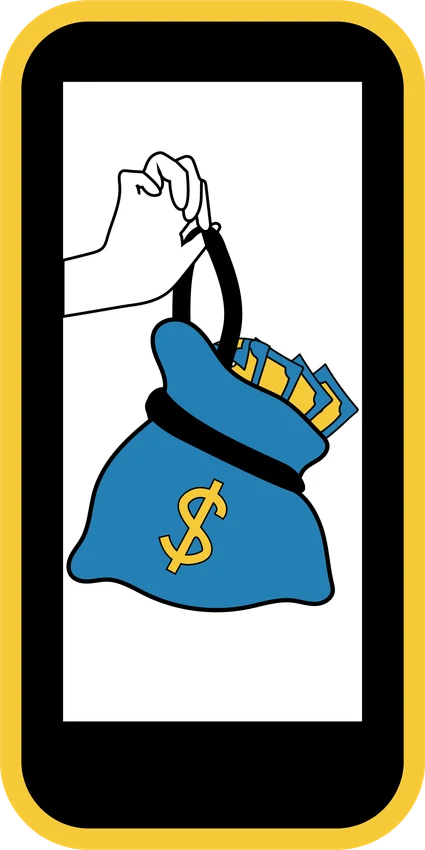
A stranger offers a simple job with a high salary. No experience is required, the contract will be provided “later”, and you are asked to decide immediately. After arrival, the person's passport is taken, they are not paid, their phone is controlled and they are not allowed to leave.

A stranger offers to play together, praises your skills, helps you pass a difficult level or gives game bonuses. Then they ask you to move to a private chat. At first the tasks are simple, but later you are asked to photograph a certain place, pick up a package (“dropping”) or do something illegal for money or status in the team.
Makes contact and gradually builds trust.
Offers help, money, gifts or game bonuses.
Moves the conversation to a private chat and asks to tell no one about it.
Gives simple tasks that gradually become dangerous or illegal.
Creates dependency, isolates the person from loved ones, or forces them to work off a debt.
Starts to control, intimidate, manipulate or blackmail.

Money is not the only reason. Everyone wants to have friends, be part of a team, receive support and feel valued.
Recruiters take advantage of this. They can pretend to be a friend, offer help, or create the feeling that only they understand you. They can press on the desire to be useful or on the fear of losing friends and being left alone.
Remember: if a person believed the promises, it does not mean it is their fault. Responsibility always lies with the one who deceives, threatens, coerces or exploits trust!
Tap a card to see the truth.
No. Often the person agrees to the offer themselves, not knowing the true intentions of the person who made it.
No. Exploitation can happen in another country, in Ukraine, in a neighbouring town, or even in your own community.
No. A person can be found through social media, messengers, dating sites or online games.
Not necessarily. A recruiter can be very friendly and attentive, build trust for a long time, or act gradually.
No! The people responsible are the traffickers, not the victims. People who experience human trafficking are not to blame.
Women, men and children can all be affected. Exploitation does not depend on gender or age.
Human trafficking can include one or several forms of exploitation:

Being forced to work without pay, in poor conditions or for excessive hours.

Being forced to provide sexual services.
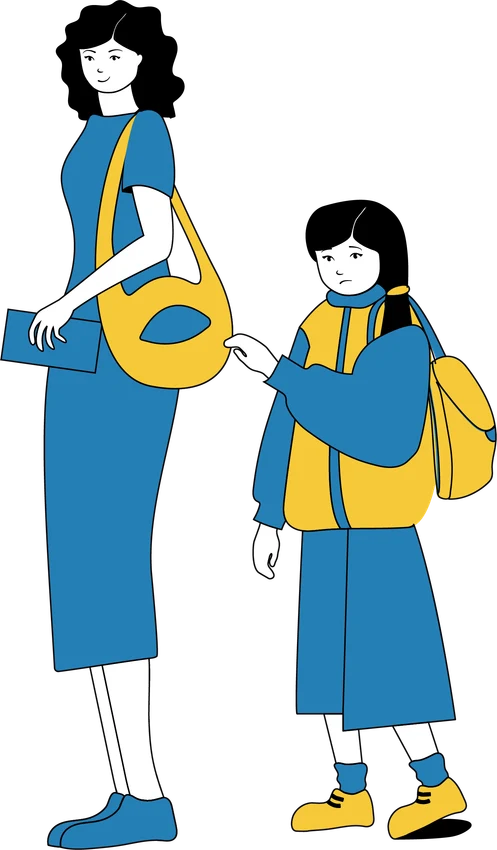
Selling or transporting drugs, delivering unknown packages, or committing theft.
Being forced online to carry out dangerous “quests” or collect data.
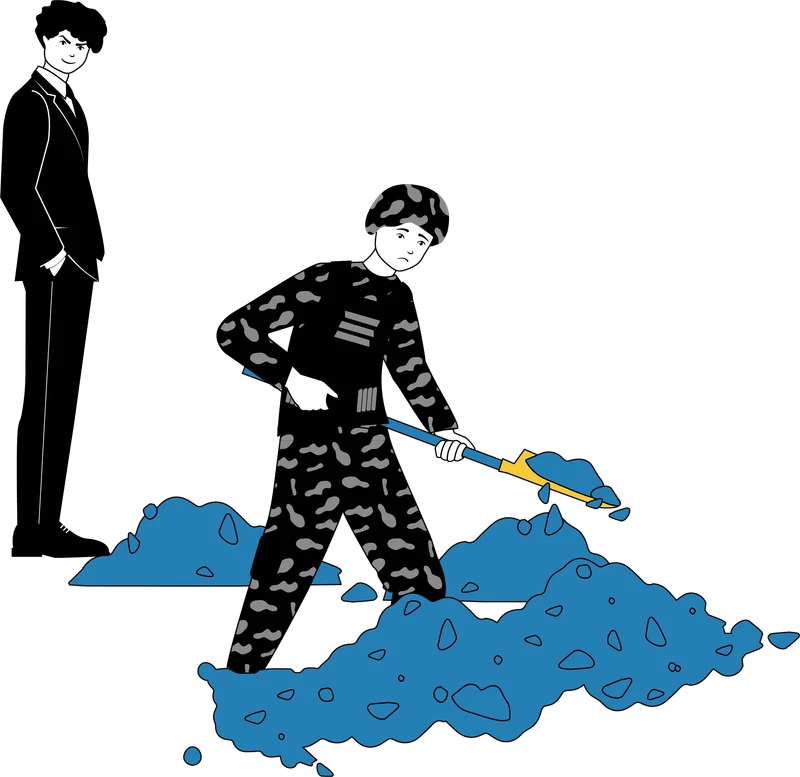
Forcing to dig trenches, wear a uniform, collect ammunition or be a “human shield”.

Taking away the money earned from begging.
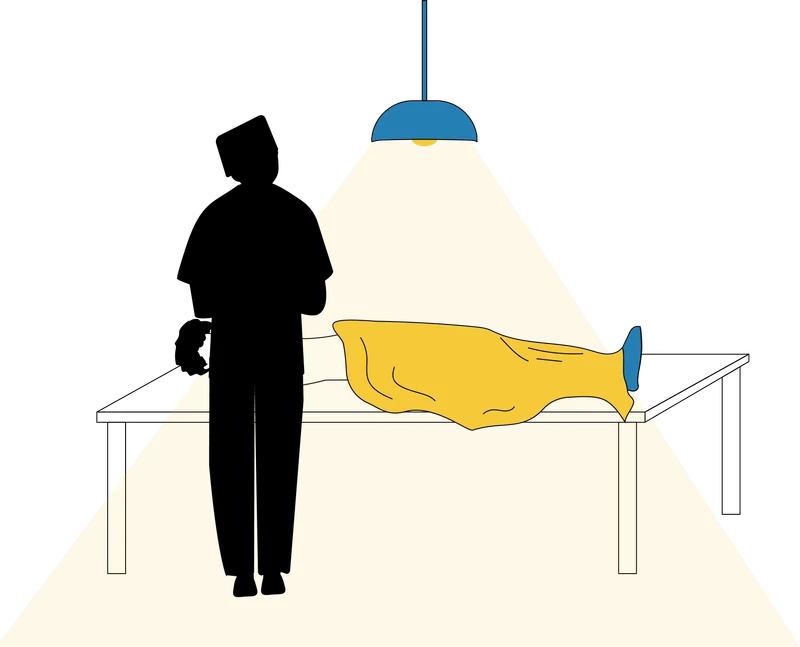
Organ removal, surrogacy, sale of children, use in experiments, adoption for profit, and forced drink solicitation.

Being forced to produce pornographic content or create intimate photos or videos.
Anyone can fall into a human trafficking situation, regardless of sex, age, wealth or education. However, some people may be at greater risk, including:



Even one item from this list is a serious reason to stop and verify the information:
Important! Do not erase or delete conversations, photos, videos or other evidence that may help document the offender’s actions.
Never give your passport to anyone. Save photos of your documents in the cloud and your email.
Demand a transparent contract. Do not sign what you do not understand.
Your loved ones must always know where you are, with whom and what you are doing. Agree with your loved ones on a code word that will mean you are in danger.
Do not send strangers intimate photos, passports, addresses or passwords.
Do not pick up unknown packages. Do not carry packages or other items for strangers.
If something feels wrong, stop and take a step back. You always have the right to say “NO” and refuse.
If the danger is related to correspondence or online pressure, do not try to expose the stranger yourself. The offender may notice the activity and delete the chat. Take these steps:
Turn off Wi-Fi and mobile internet (or turn on “Airplane mode”) to reduce the risk of the chat being deleted remotely.
Use another device to photograph the screen showing the conversation, usernames and links (or take screenshots).
Do not log out of the account and do not restart the phone.
Tell people you trust and seek help.
Remember: you can get help and protection even without a passport, and you do not have to immediately take part in criminal proceedings.
Appeals are free, safe and confidential:
Help contacts in Ukraine
“Human trafficking: how to protect yourself and your loved ones” on Prometheus.
Take the courseIn Ukrainian